Educational illustrations, not patient photographs. Wounds can look different; these images are not a tool for self-diagnosis.
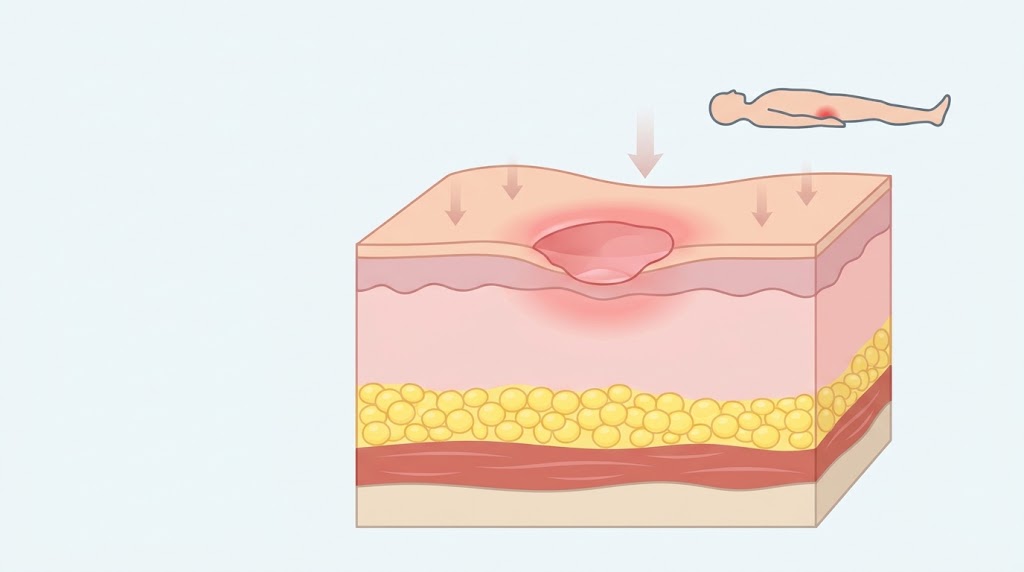
01 · Skin under pressure
Pressure Ulcers
Also called pressure injuries, these wounds develop when skin and underlying tissue remain under pressure. Evaluation considers the wound, mobility, positioning, and support needs.
The plan may involve coordination with caregivers, home-health nurses, or facility staff.
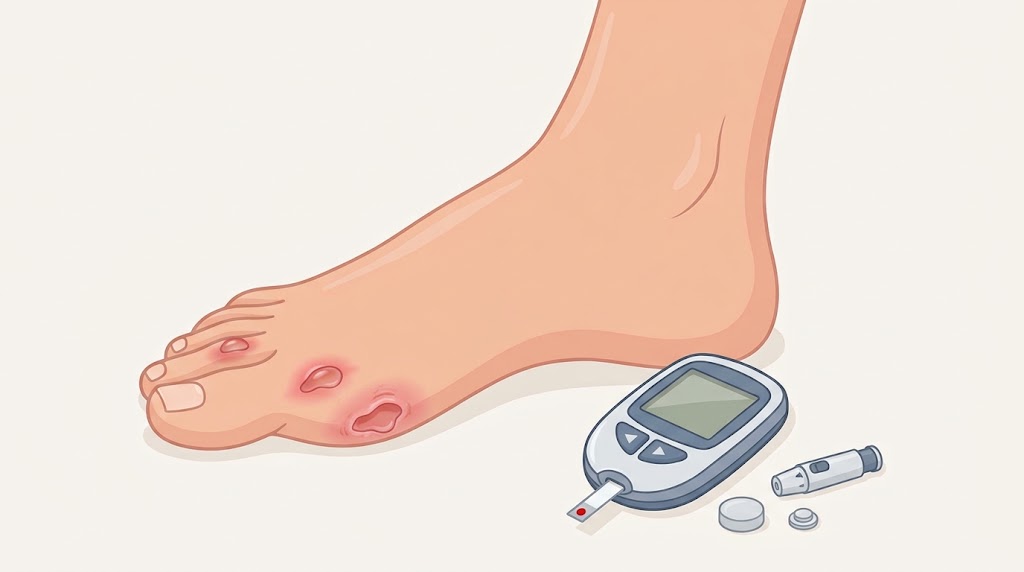
02 · Diabetes-related wounds
Diabetic Foot Ulcers and Other Diabetes-Related Wounds
Diabetes can affect sensation, circulation, and healing. Evaluation of a foot ulcer or another diabetes-related wound helps identify the care and follow-up needed.
A new or worsening diabetic foot wound should be assessed promptly by a clinician.
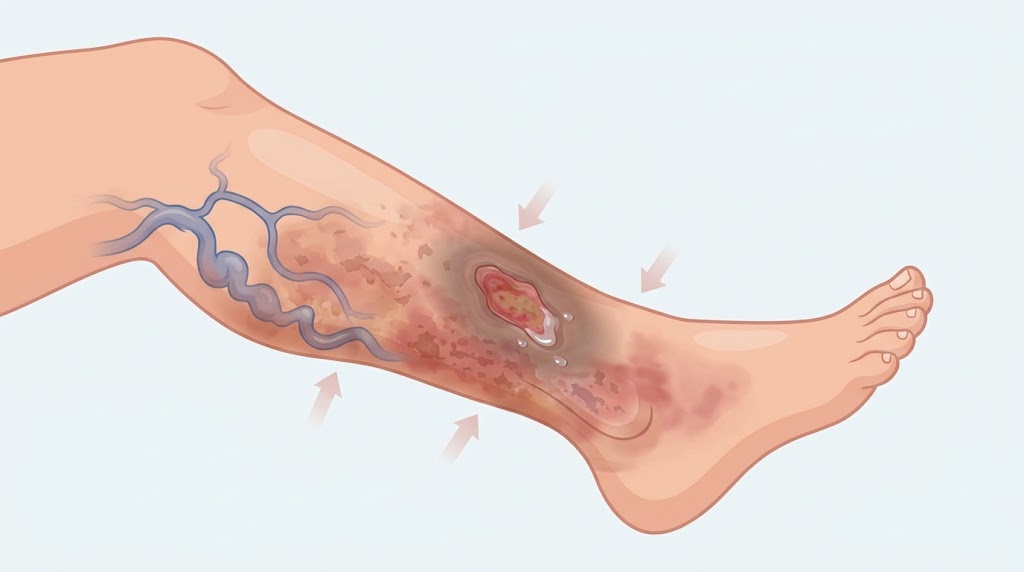
03 · Vein-related wounds
Venous Stasis Ulcers
Some lower-leg wounds occur with vein-related swelling. Evaluation helps clarify the cause and whether a treatment such as compression is suitable.
Circulation and other risks need assessment before compression is selected.
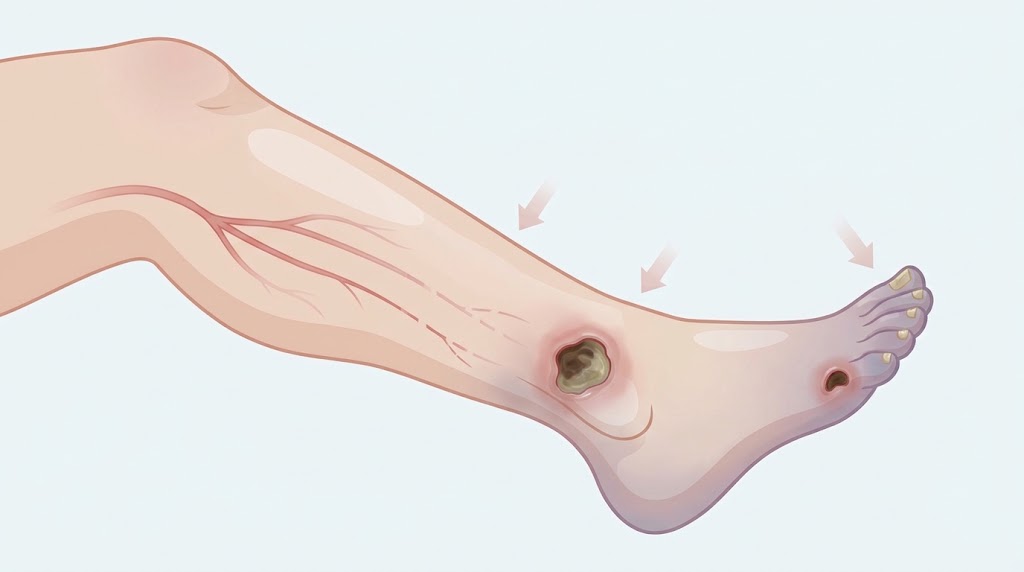
04 · Circulation matters
Arterial and Ischemic Ulcers
Reduced arterial blood flow can affect wound healing. Identifying a circulation problem may require vascular assessment and specialist coordination.
Mobile wound care does not replace needed vascular treatment or urgent assessment of a threatened limb.
05 · After a procedure
Surgical and Postoperative Wounds
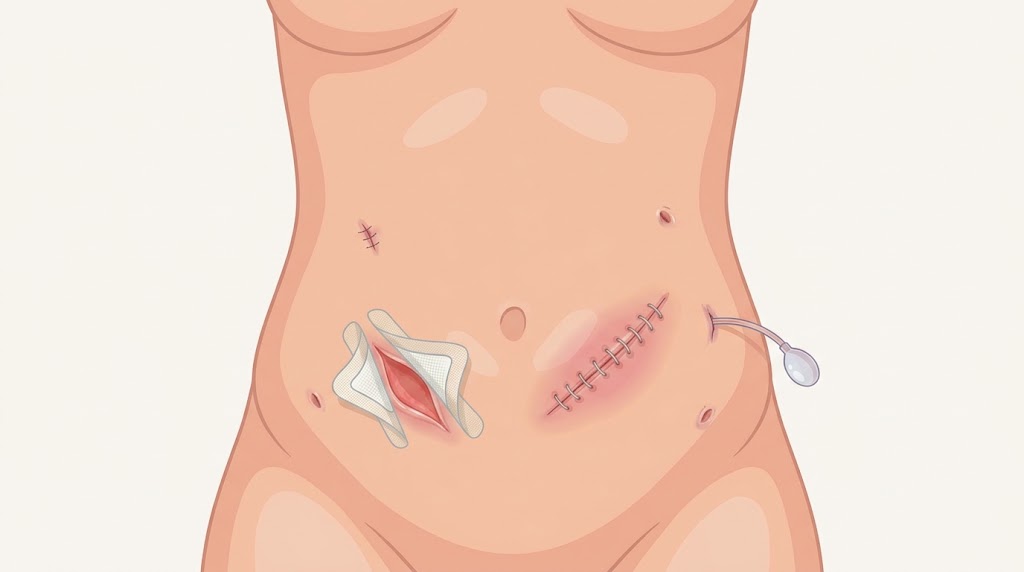
Incisions, open surgical wounds, and graft or donor sites may need additional monitoring and follow-up. Care should remain coordinated with the clinician who performed the procedure.
The original surgeon’s instructions remain important. Graft-site follow-up does not mean graft surgery is offered at home.
06 · Following an injury
Traumatic Wounds
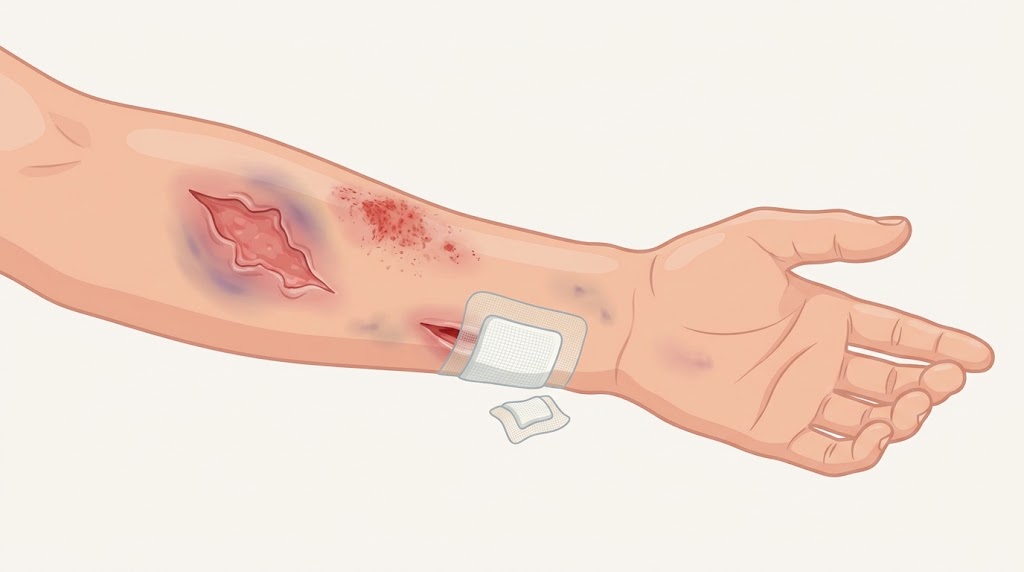
Wounds caused by an injury may need continued care after the initial assessment. A clinician evaluates the wound and determines the appropriate protection, treatment setting, and follow-up.
Deep injuries, uncontrolled bleeding, and other urgent injuries require prompt assessment in an appropriate care setting.
07 · Protecting vulnerable skin
Skin Tears and Fragile-Skin Injuries
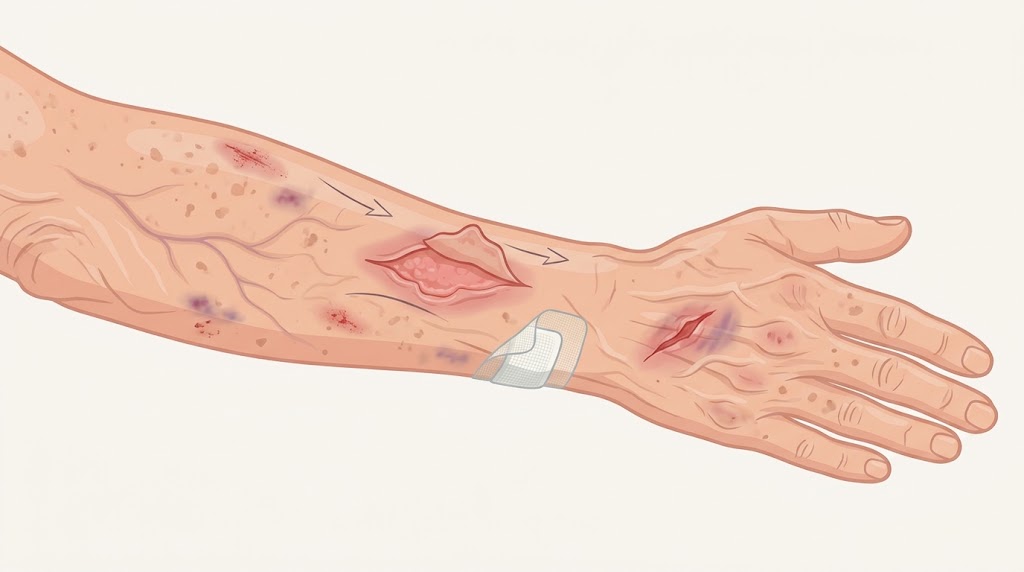
Fragile skin can tear after a minor injury. Evaluation considers how to protect the affected area and support the patient or caregiver with an appropriate care plan.
Tell the clinician about current dressings, recent changes, and any additional skin concerns.
08 · Prompt clinical attention
Infected Wounds
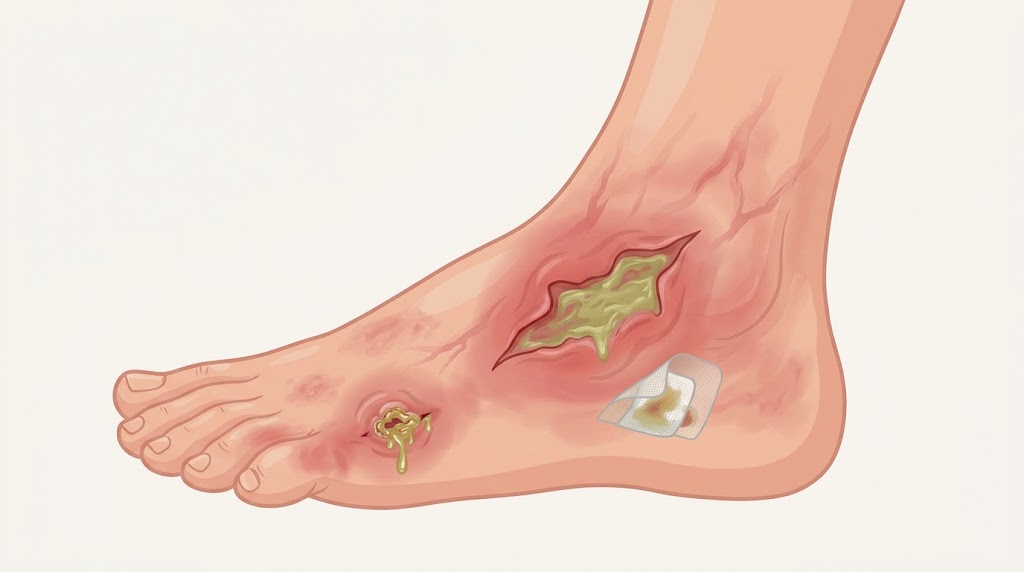
Wounds with suspected or confirmed infection need prompt clinical assessment. The physician evaluates wound-care needs and whether additional testing, treatment, or another care setting is required.
Do not wait for routine scheduling for a worsening wound or suspected infection. Contact your treating clinician promptly; for a medical emergency, call 911.
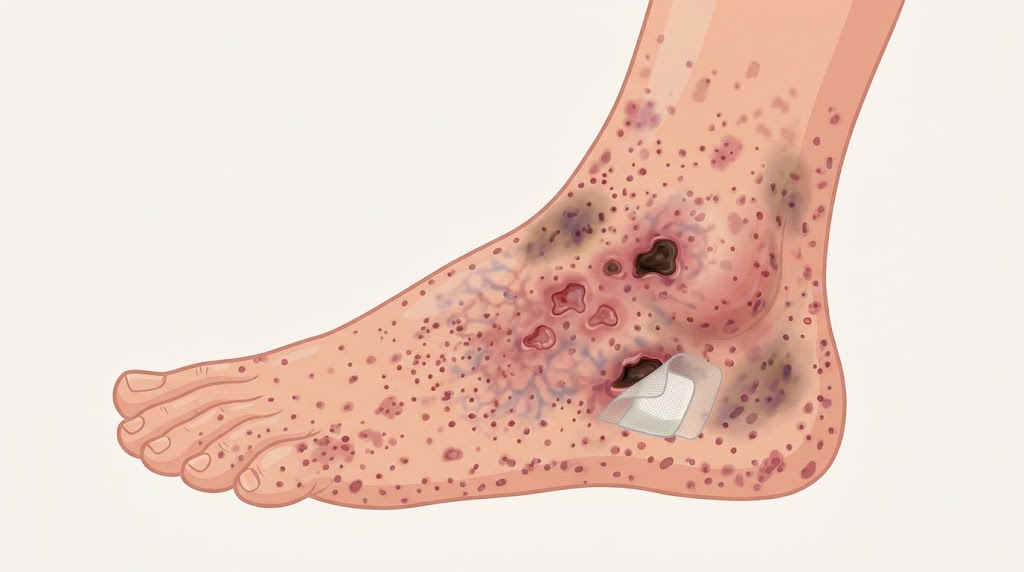
09 · Looking at the underlying cause
Inflammatory and Autoimmune Ulcers
Some ulcers are associated with inflammation or an immune-mediated condition. Assessment focuses on identifying the cause and coordinating an individualized wound-care plan.
These wounds may require dermatology, rheumatology, or other specialist assessment. Similar-looking ulcers can need different treatments.
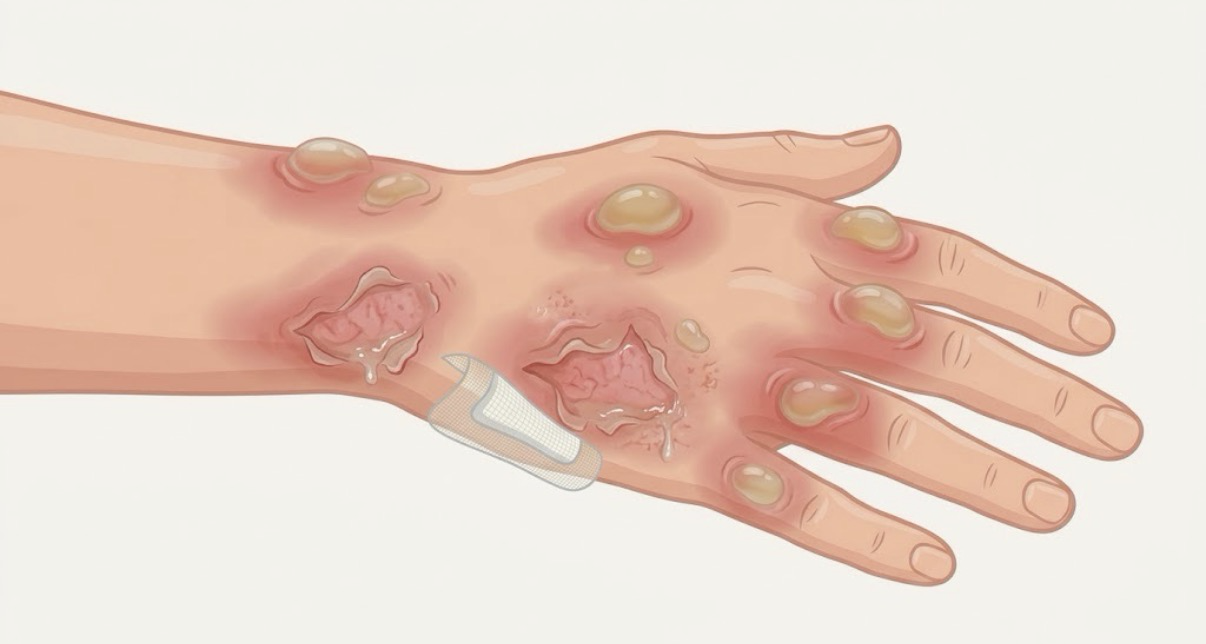
10 · Burn care and follow-up
Burn Wounds
Selected patients may be suitable for ongoing wound care following an initial burn assessment. The type, extent, and location of the injury determine the appropriate clinical setting.
New, deep, extensive, chemical, or electrical burns may require urgent specialist or emergency evaluation. This service is not emergency burn treatment.
About this information & further reading